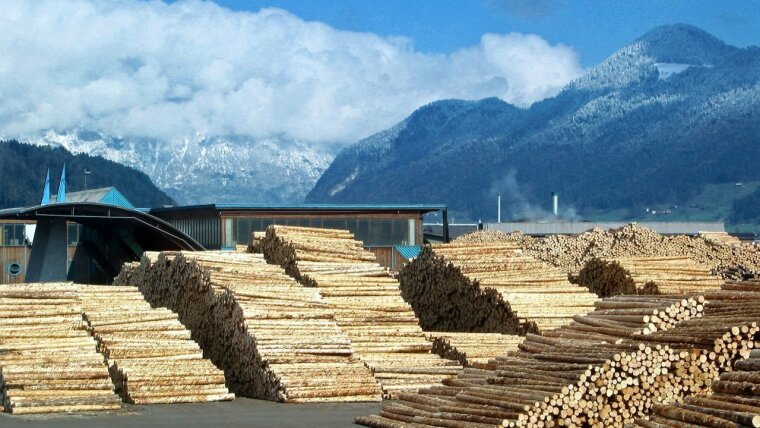
Sawmill
Logo Flumen
Image: FSU JenaIn the BMBF junior research group Mentalities in Flux (flumen), we study how people’s basic mindsets, attitudes and shared imaginations – that is mentalities – change when radical changes occur in patterns of economic activity, away from economies based on a linear flow of fossil resources (fossil-based economies) towards a circular flow of renewable biological resources (bio-economy). Our research focuses accordingly on changes in mentalities during the course of transformation processes.
Combining sociological and historical research, we address the following questions:
- How do attitudes, shared imaginations and everyday practices change in the course of the transition to an economy based on the cyclical reproduction of biological resources?
- How do mentalities relating to these changes differ between social groups and what new kinds of conflict may result from this?
- Is the presence of certain mentalities a necessary precondition for successful post-carbon transformations, or will the mental structures of a bio-based society only emerge in the process of such transformations?
- What can we learn about the cognitive dimension of societal change from the historical transformation from bio-based agrarian societies to fossil fuel-based industrial societies?
- How will work and the division of labour be organized in a bio-based economy?
- What alternative logics will emerge to replace the logic of permanent linear growth in a modern society based on biological cycles, and what are the implications for mentalities and the societal division of labour?
The historical emergence of economies based on linear flows of coal and oil resources in the 19th century radically transformed human work and was closely linked to basic mindsets, attitudes and shared imaginations that were compatible with the logic of constant growth. These mentalities differed between social groups, and they will undergo far-reaching change once again in the transformation toward bio-based economies. In short, mentalities evolve in parallel with the transformations of societies’ material and energetic basis. - they are mentalities in flux.
All current and further information can be found on our website: hereExternal link.
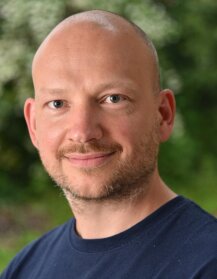
Leader of the Junior Research Group
Martin Fritz, Dr
Project Leader
Mentalities in Flux (Junior Research Group)
BMBF Logo
Image: Federal Ministry of Education and Research